
The role of digital navigators in supporting telehealth services

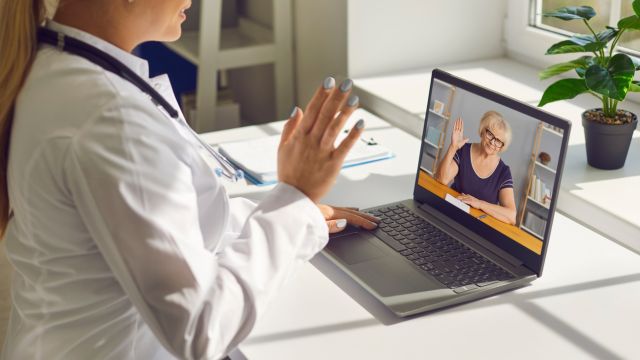
Digital Navigators play an important role in supporting telehealth services by helping individuals access and use these services.
They provide education and training, troubleshoot technical problems, and assist users in navigating the various telehealth tools and resources available.
Digital Navigators also work to address any barriers that may exist that prevent individuals from accessing telehealth services, such as lack of digital literacy or lack of access to high-speed internet.
Learn It
Digital Health Navigators play a critical role in making modern telehealth services accessible and user-friendly for all people. As healthcare continues shifting toward virtual care, many individuals struggle with technology, lack confidence using digital tools, or simply don’t have reliable internet access. Digital Navigators step in to bridge these gaps.
They teach people how to use patient portals, logging into telehealth appointments, sending secure messages, uploading documents, and connecting remote monitoring devices such as pulse oximeters, smart inhalers, scales, or blood pressure cuffs.
Their work goes beyond technical instruction. Navigators help identify and reduce barriers such as limited digital literacy, language differences, lack of devices, or poor broadband access.
They may connect users to discounted internet programs, distribute loaner tablets, or coordinate with community centers that offer digital support. They also ensure that telehealth sessions run smoothly by testing audio and video, checking Wi-Fi connections, and troubleshooting problems in real time.
Digital Health Navigators empower patients—especially seniors, rural residents, and individuals with disabilities—to engage confidently in their healthcare. Their guidance improves access, reduces frustration, and strengthens the connection between patients and providers. In a world where digital health is expanding rapidly, Navigators make sure no one gets left behind.
These experiences help you understand the real-world importance of this growing career.
Live It
Begin developing your Digital Health Navigator mindset by exploring the telehealth tools you already use. Try logging into a patient portal, scheduling an online appointment, or setting up a video call on different devices.
Notice which steps feel easy and which would be confusing for someone new to technology. Practice explaining these tasks to a friend or family member using simple, supportive language.
Assist someone with low digital confidence—perhaps an older adult or a younger sibling—by helping them set up a video chat, download a health app, or connect a wearable device. Pay attention to how patience, clear communication, and calm troubleshooting build trust. Explore resources offered by local libraries, community centers, or broadband assistance programs to understand where people can turn for help.
Develop habits that Digital Navigators use daily: staying organized, testing technology before appointments, monitoring connectivity, and documenting steps clearly. Reflect on how digital access shapes health outcomes and why equity matters in telehealth.
Share It
Create a simple guide or infographic titled “How to Get Ready for a Telehealth Visit.” Include steps such as checking Wi-Fi, testing audio and video, logging in early, having medications nearby, and knowing how to use the chat or mute tools. Share it with classmates or in your Force for Health feed to raise awareness about digital readiness.
Offer to help a family member or community member prepare for a digital appointment. Show them how to adjust sound, position the camera, or access their patient portal. Share what you learned about digital barriers and how small actions—like improving Wi-Fi or offering patient-friendly instructions—can make a medical visit less stressful.
Encourage your peers to consider careers in digital health or health technology. Explain how Digital Navigators help make healthcare more fair, accessible, and user-friendly for everyone. When you share your knowledge, you help build a more connected and health-literate community.