
Different types of telehealth, such as remote patient monitoring, tele-rehabilitation, telemedicine, and e-consultation

Dr. Rob’s Video Transcript
Different types of telehealth.
In the introductory part, when we talked about the role, we mentioned the various types such as basic communication and interrogation, digital visual physical exam, physical exam with instruments, and then patient monitoring and rehabilitation.
There is a role for you in each one of these, and these can occur with the same patient throughout.
Telehealth can take many forms including Remote Patient Monitoring, where medical data is collected and analyzed remotely, allowing healthcare providers to track patients’ health status and to intervene when necessary.
Learn It
Telehealth comes in many forms, each designed to make healthcare more accessible, efficient, and personalized.
Remote Patient Monitoring (RPM) allows medical data—like heart rate, oxygen levels, glucose, or blood pressure—to be collected from home and analyzed by healthcare providers. This helps clinicians identify early warning signs and intervene before problems escalate.
Tele-rehabilitation uses video platforms and apps to deliver physical therapy, occupational therapy, and speech therapy remotely, which is especially helpful for patients recovering from surgery, stroke, or chronic illness who may have difficulty traveling.
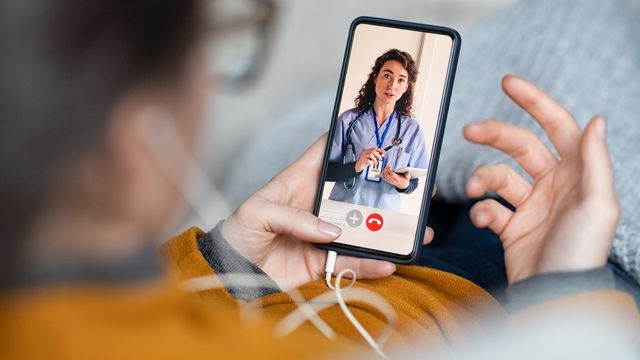
Telemedicine enables doctors and nurses to conduct clinical visits through video or phone, allowing patients to receive care from home.
E-consultations let healthcare providers communicate with one another remotely, improving access to specialists and speeding up diagnoses. Understanding these telehealth categories helps Digital Health Navigators provide the right support—whether teaching someone how to use an app, connect a device, or access virtual therapy services.
The more navigators understand each type of care, the more effectively they can assist users in choosing and using the right technology.
Live It
Explore the different forms of telehealth by trying out practical examples in your daily life. Use a fitness tracker or health app to simulate Remote Patient Monitoring and see how data trends reflect activity, sleep, or stress.
Watch a demonstration of tele-rehabilitation online to understand how therapists guide exercises, provide feedback, and adapt treatment remotely. Reflect on what a patient might need—clear instructions, camera setup help, or adaptations for limited mobility.
You can also review telemedicine platforms used by local healthcare systems. Notice features such as secure messaging, appointment reminders, and virtual check-in tools.
Consider the digital barriers someone might face: poor Wi-Fi, difficulty downloading apps, or trouble understanding medical terminology. Practicing these activities helps you empathize with users and anticipate the support they may need from a Digital Health Navigator.
Share It
Create a brief comparison chart or mini-presentation explaining the four main types of telehealth: Remote Patient Monitoring, Tele-rehabilitation, Telemedicine, and E-consultation. Highlight what each one does, who benefits most, and what technical skills patients need.
Share your work with classmates, family, or your Force for Health feed to help others understand the wide range of digital healthcare options available today.
Offer to walk someone through a mock telehealth appointment or help them try a simple digital health tool. Explain how data is shared securely and how virtual care can improve follow-up, safety, and convenience.
Sharing this knowledge helps build digital confidence in your community and demonstrates the essential role Digital Health Navigators play in modern healthcare access.