
In every resilient life, there is a moment when preparation turns into action. When the power goes out. When the storm shifts direction. When a phone call changes everything. In those moments, clarity matters — and so do people. That is why every family should identify a go-to person before a disaster ever occurs.
Find Someone You Trust
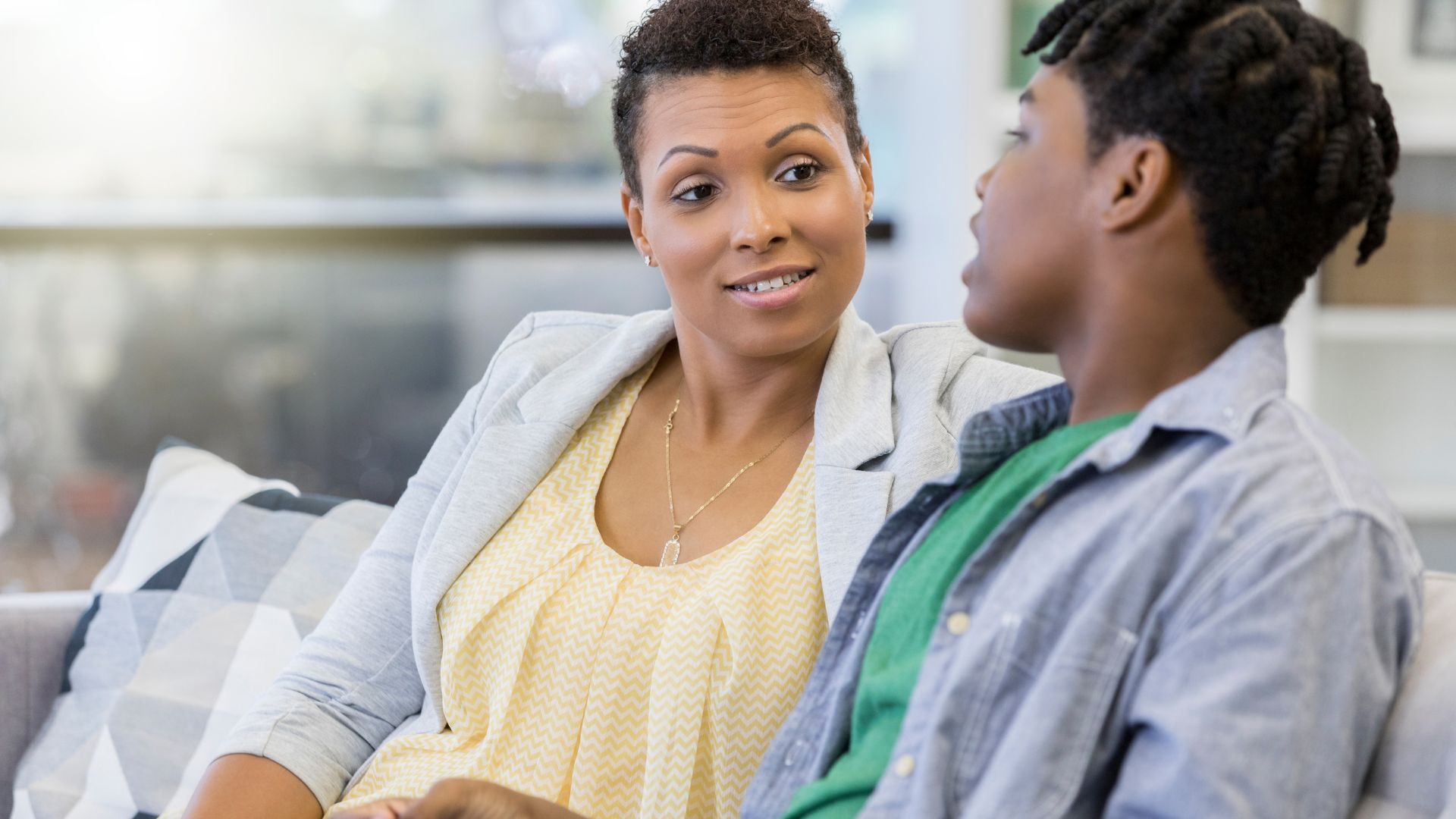
A go-to person is not just a name on a contact list. It is someone you trust deeply. Someone steady under pressure. Someone who thinks clearly when others are overwhelmed. This person does not need to have special training — although that can help — but they must have reliability, emotional stability, and good judgment. They are calm communicators. They answer their phone. They keep confidences. They are problem-solvers, not panic-spreaders. Ideally, they live close enough to assist physically but far enough away that they may not be affected by the same immediate hazard. Above all, they care about you and your family and are willing to stand in the gap if needed.
Part of your Safety Architecture
Your go-to person becomes part of your safety architecture. Before a crisis, you coordinate with them. Share copies of important documents if appropriate. Make sure they know your evacuation routes, rallying points, and shelter-in-place plans. Exchange keys if that fits your comfort level. Discuss who will check on elderly relatives, who will pick up children if schools close suddenly, and how you will communicate if cell towers are overloaded. Planning together transforms good intentions into practical readiness.
Stabilizing Force
During a disaster, this person becomes a stabilizing force. They may help you gather at a prearranged rallying point. They might serve as an out-of-town message hub if local communication fails. They could help locate family members, provide temporary shelter, coordinate transportation, or access community resources. Sometimes their greatest gift is perspective — helping you slow down, assess risk, and avoid impulsive decisions. It can get chaotic. Stabilize your experience with a go to person or team that is looking out for each other.
Go to Person also helps in the recovery phase
After the immediate danger passes, the go-to person remains vital. Recovery requires stamina. Insurance calls, repairs, paperwork, and emotional processing can drain even the strongest individuals. A trusted ally can help prioritize next steps, connect you with resources, or simply sit with you in the uncertainty.
Resilience is not built alone. It is built in networks of trust. Choosing your go-to person is not a sign of weakness; it is a sign of wisdom. When you prepare together, you increase not only your safety, but your confidence. And confidence, in a crisis, can be lifesaving.