

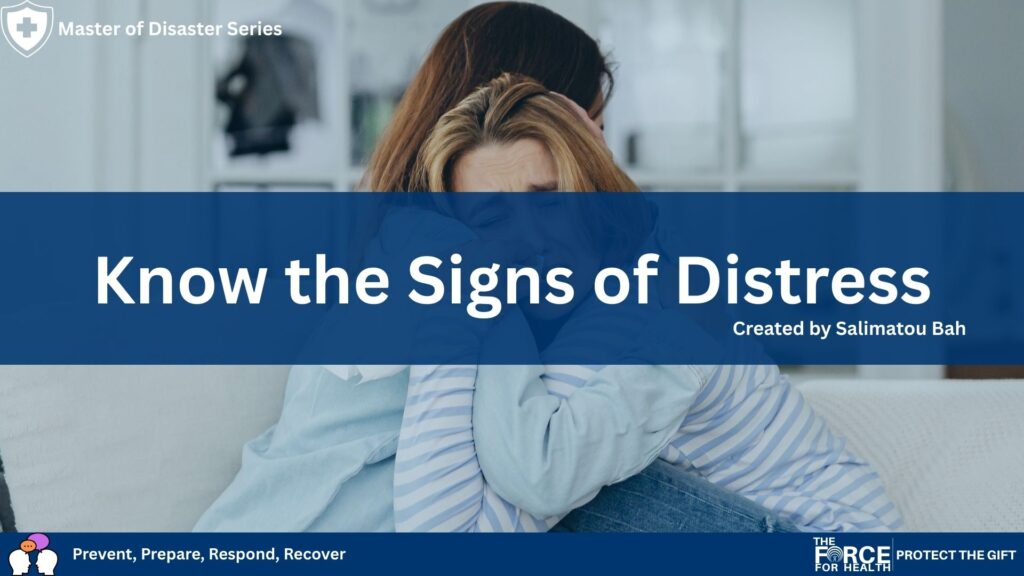
Know the Signs of Distress

Part of the Master of Disaster series at The Force for Health. Created by Salimatou Bah, MPH candidate at George Washington University. Edited by Dr. Rob Gillio
Let’s review when Stress becomes Distress.
Noticing the signs when people are in distress requires slowing down and paying attention to subtle changes in behavior, mood, and communication. Someone who is struggling may withdraw from social activities they once enjoyed, seem unusually irritable or fatigued, or have difficulty concentrating.
You might notice shifts in sleep patterns, appetite, or personal hygiene, or hear them make negative comments about themselves or their future. Sometimes distress shows up physically through headaches, stomach issues, or frequent illness.
Just as importantly, tone and body language can reveal what words do not such as avoiding eye contact, speaking more quietly than usual, or forcing smiles. Recognizing these signs early creates an opportunity to respond with empathy, ask gentle questions, and offer support before the situation deepens.
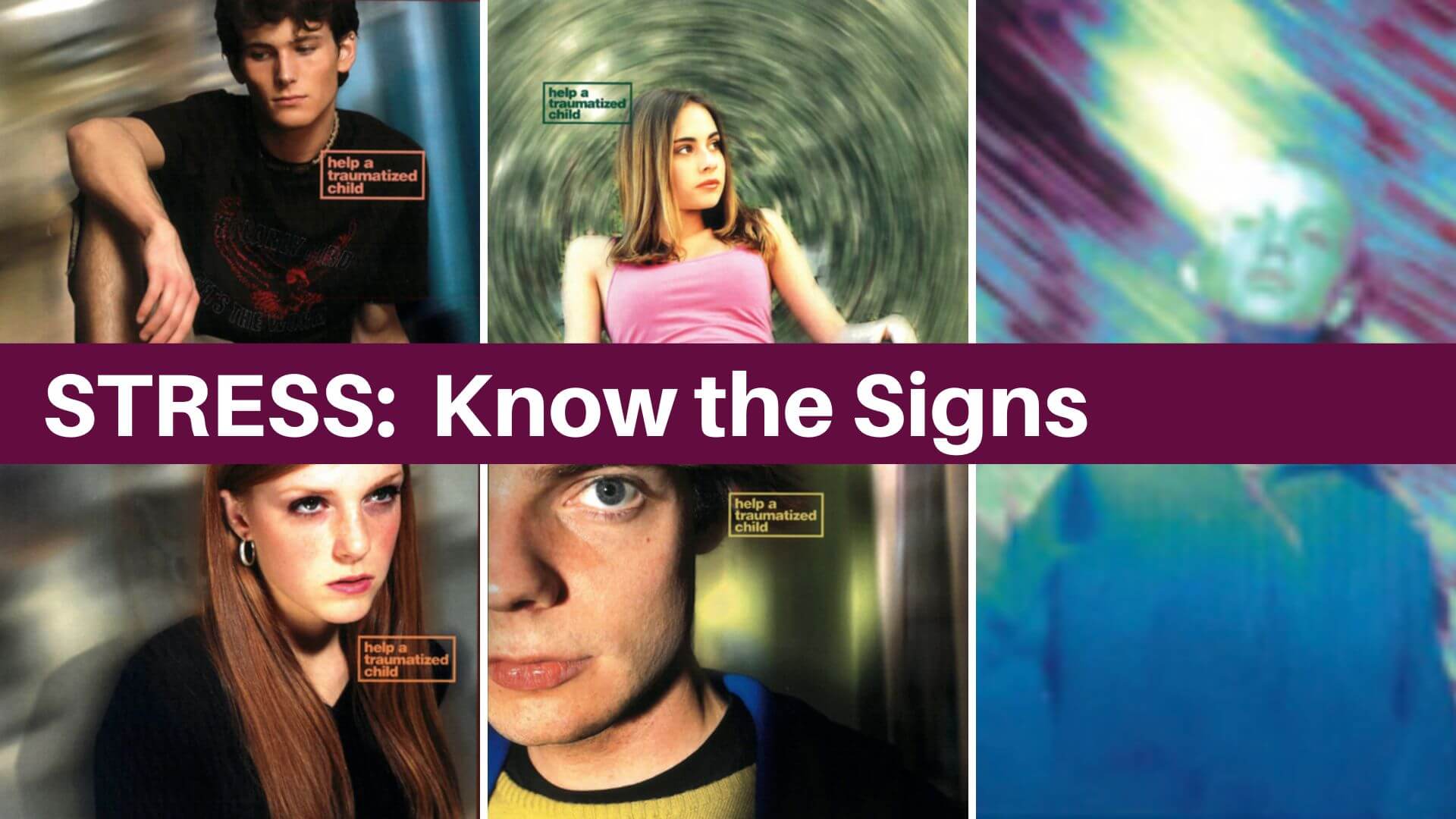
What are the signs? Review these flashcards to reinforce your knowledge.
Support resources in the United States:
- 988 Suicide & Crisis Lifeline – Call or text 988
- Crisis Text Line – Text HOME to 741741
- Veterans Crisis Line – Call 988, then press 1
- SAMHSA National Helpline – Call 1-800-662-4357
- NAMI Helpline – Call 1-800-950-6264
- 211 United Way – Call 211
- 911 (Emergency Services) – Call 911 for immediate danger or life-threatening emergencies
If you have any concerns, please access professional help and ask an adult that you trust to help you. Keep asking until you get the help you need.