
Protective factors are the strengths and supports that reduce risk and increase your ability to handle stress, trauma, and uncertainty. Among the most powerful protective factors you have are your family and friends. In a disaster — whether it requires evacuation, sheltering in place, or rapid decision-making — you are far more resilient when you are not facing it alone. Healthy relationships create stability before the crisis, coordination during the crisis, and recovery after the crisis.
Family and friends strengthen preparedness in very practical ways.
Planning together increases clarity and reduces confusion. When everyone understands the evacuation route, rallying point, communication plan, and shelter-in-place strategy, response time shortens and fear decreases. They can help you think through scenarios you might overlook and divide responsibilities so no one person carries the entire burden. For example:
- One person tracks weather alerts and official updates.
- One gathers emergency supplies or go-kits.
- One confirms transportation and fuel readiness.
- One checks on children, elders, or pets.
- One communicates with the designated go-to person or out-of-area contact.
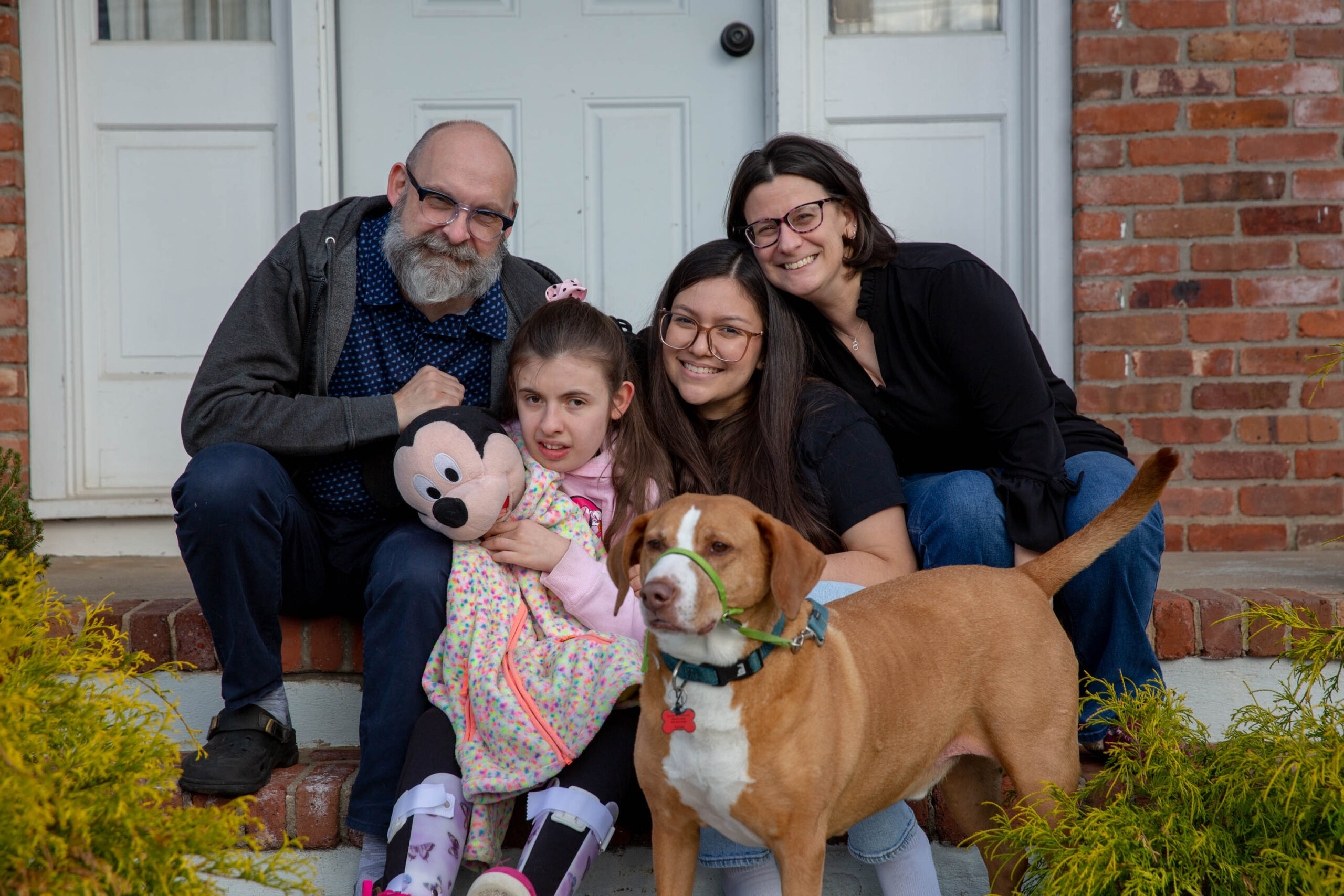
Shared planning transforms chaos into coordinated action.
Beyond logistics, family and friends are critical to both mental and physical health during times of stress. Social connection lowers anxiety, reduces the body’s stress hormone response, and improves immune function. Emotionally, being heard and supported prevents isolation and panic. Physically, others may remind you to hydrate, rest, take medications, eat regularly, and avoid risky decisions. After a disaster, relationships help process trauma, rebuild routines, and restore a sense of normalcy. Simply knowing someone is looking out for you can steady your breathing and sharpen your thinking.
Resilience is Reciprocal.
You are not only protected — you are also a protective factor for others. Your calm voice, preparedness, and planning can anchor your family and friends when they feel overwhelmed. When you maintain your health, update your emergency kit, communicate clearly, and stay informed without spreading fear, you strengthen the entire group. You may be the one who checks in, organizes the rallying point, reassures a child, or ensures an elderly neighbor has medication. Your preparation becomes their security.
Connection and Relationships are the key to protection
In the end, protective factors are about connection. Disaster readiness is not just about supplies and plans — it is about trusted relationships that think together, act together, and recover together. When families and friends intentionally build readiness as a team, they increase safety, reduce stress, and protect both body and mind. Resilience grows strongest in community.